The New Luxury Landscape: How Contemporary Fashion Is Reshaping Toronto Retail
Toronto’s luxury retail landscape is entering a new chapter.
For decades, luxury in the city was closely associated with a relatively defined group of international houses and the polished storefronts of Bloor-Yorkville. But today, the meaning of luxury is becoming broader.
Contemporary fashion, elevated essentials, athleisure, design-led spaces and Canadian brands are increasingly sharing the same retail streets as some of the world’s most established luxury names.
The result is a Toronto shopping landscape that feels less divided between “luxury” and “contemporary” — and far more connected.
Sources: CBRE
From Traditional Luxury to Contemporary Luxury
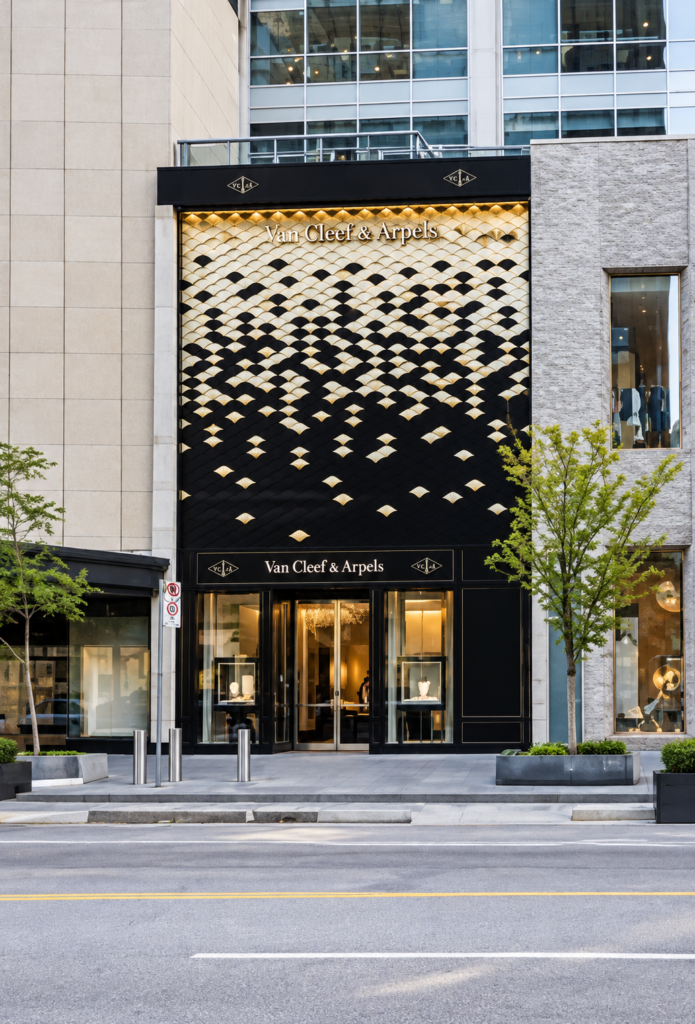
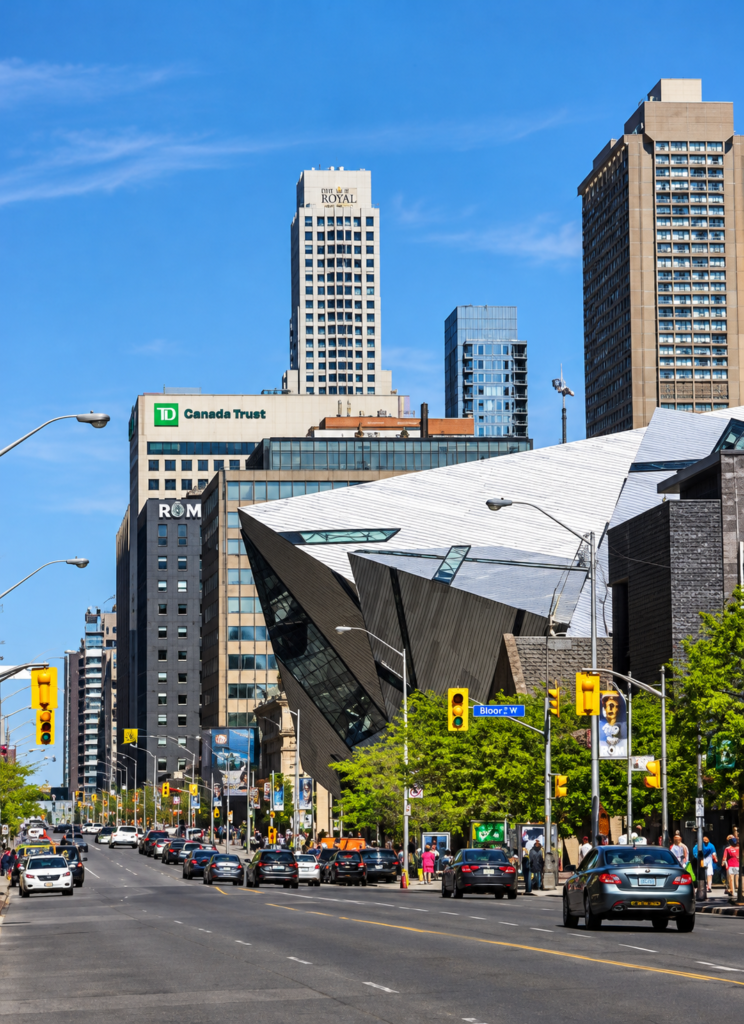
Bloor-Yorkville remains one of Toronto’s most important luxury destinations, with hundreds of retailers spanning fashion, beauty, dining and lifestyle. JLL describes the corridor as a major Canadian retail destination, with flagship stores helping establish the neighbourhood as a luxury shopping district.
But the neighbourhood is changing.
According to CBRE’s 2026 analysis of Toronto retail, contemporary fashion and athleisure are playing an increasingly important role in filling retail space across some of the city’s most sought-after shopping areas, including Bloor-Yorkville, Yorkdale and Ossington Avenue.
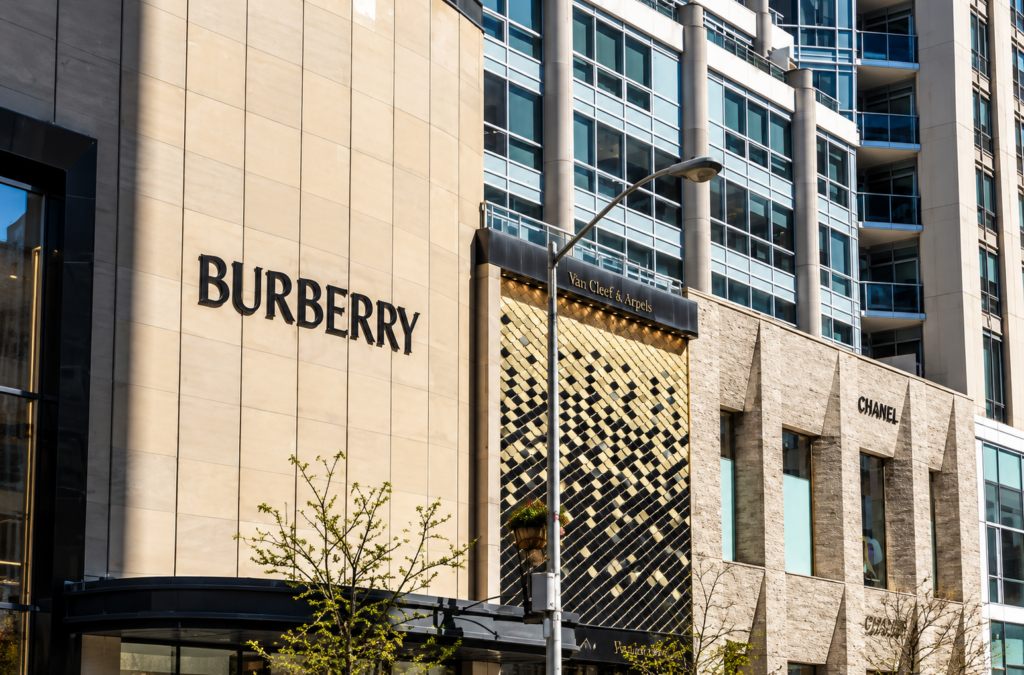
That shift is significant. Brands such as Aritzia, Arc’teryx and Alo Yoga now sit alongside heritage luxury names including Tiffany & Co. and Bvlgari in Yorkville — creating a retail environment where premium contemporary fashion has become part of the luxury conversation.
The Aritzia Effect
Few Canadian brands illustrate this transformation better than Aritzia.
The Vancouver-founded retailer has built its identity around elevated design, carefully selected locations and a highly considered store experience. The company has described its boutiques as an important part of its growth strategy, helping generate sales, build brand awareness, acquire customers and support its e-commerce business.
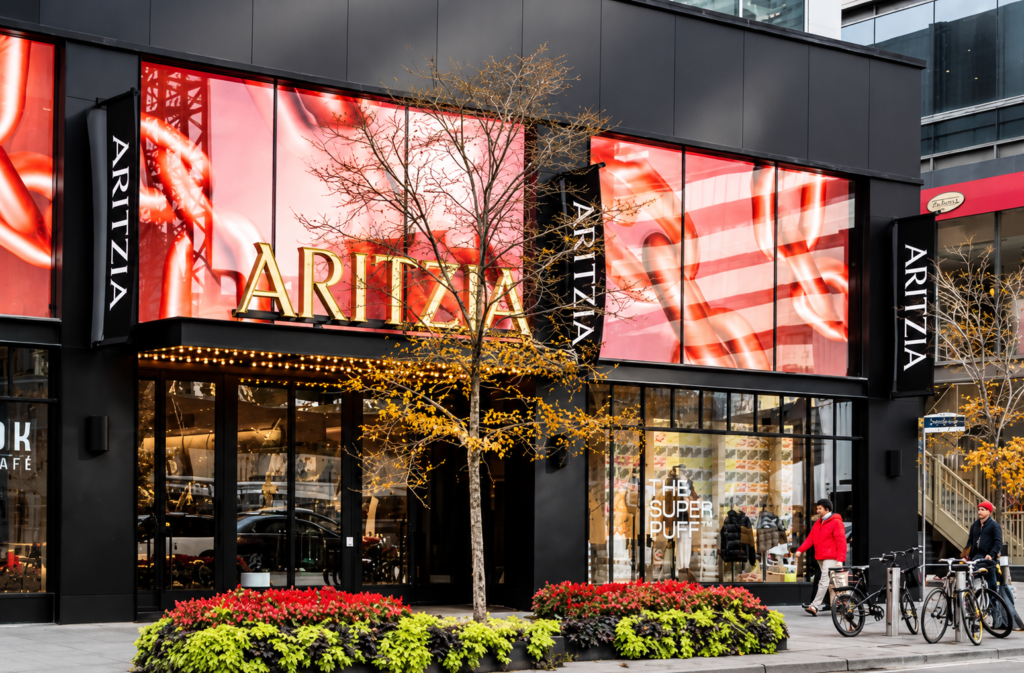
Its Toronto presence now stretches across some of the city’s most important retail destinations, including Yorkdale, Bloor Street, Queen Street and the Toronto Eaton Centre.
This matters because Aritzia isn’t traditional luxury in the conventional sense. Instead, it represents something increasingly important: accessible luxury through design, experience and brand identity.
The store itself becomes part of the product.
Beautiful architecture, curated interiors, attentive service and a strong visual identity all contribute to how shoppers perceive value. Aritzia executives have similarly emphasized store design, music, cafés, customer service and premium real estate as elements of the brand’s overall experience.
The Store Becomes an Experience
The evolution of Toronto retail reflects a broader change in how people shop.
A store can no longer simply be a place where a product is displayed. The strongest contemporary brands are creating environments that communicate a lifestyle.
That might mean a beautifully designed flagship, a café integrated into the shopping experience, an architectural installation, personalized service or a neighbourhood location that becomes part of a brand’s cultural identity.
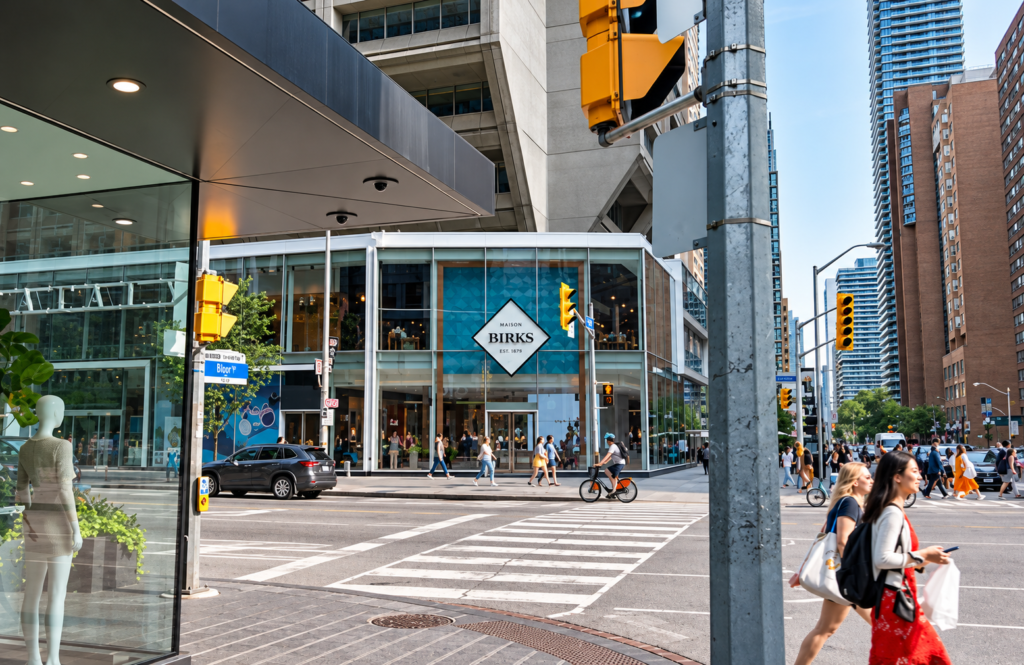
CBRE reports that quality retail space in Toronto remains highly sought after, with new deals continuing across luxury, contemporary fashion, fitness, beauty and other experience-driven categories.
The implication is clear: physical retail isn’t disappearing. It’s becoming more intentional.
Source: CBRE
Toronto’s New Fashion Identity
Toronto is also developing a stronger identity as a fashion city in its own right.
International luxury brands continue to invest in the market, while Canadian and contemporary labels are occupying increasingly prominent positions. Recent activity across Bloor Street and Yorkville includes international names such as Luca Faloni, Loro Piana and Eleventy, alongside the continued growth of contemporary retailers.
JLL’s latest luxury retail research also points to the strength of luxury expansion across Canada, with luxury accounting for a substantial share of new fashion store-opening announcements in major Canadian markets during the first half of 2026. Toronto remains one of the country’s key luxury centres.
But perhaps the most interesting development is what sits between traditional luxury and mass-market fashion.
That middle — contemporary, premium, design-driven fashion — is becoming increasingly influential.